
Published November 23, 2026
Plenty of business owners still ask for “a landline” when they call about phones. What they usually mean is simple: a dependable business number, a phone on the desk that rings when customers call, and a line that works for the fax machine or alarm panel in the back room. The good news is that landline phone service for a business no longer has to mean old copper wiring and a long contract. This guide explains what a landline really means today, how to keep the number you have, and what to do about the analog devices that still depend on a phone line.
What landline phone service means for a business today
A traditional landline runs over copper wires from the phone company to your building. Each line carries one call at a time, and features like call forwarding, voicemail and extra lines are often billed separately. Many carriers have been retiring copper networks, so businesses that still rely on them are often told to move to something newer.
Most of what people value about a landline is not the copper itself. It is the fixed business number, the desk phone that just works and the sense of permanence that comes with a listed office line. A hosted business line delivers all of that over your internet connection. You still get a local number and a real desk phone with a handset and speakerphone. The difference is that the line is managed in the cloud, so features like voicemail, call forwarding and business hours routing come with it.
If you want the side-by-side comparison of the two technologies, our post on cloud phone system vs landline covers it in detail. This article focuses on the practical questions that come up once you decide to make a change.
Keeping your landline phone number
Your main number is printed on your signs, trucks, invoices and online listings, so losing it is not an option. In most cases you don’t have to. Moving a number from one provider to another is called porting, and a business landline number can usually be ported to hosted service.
With Phone Service USA, porting typically takes 5–7 business days. You’ll need a recent bill from your current carrier and the account details exactly as they appear there. Our port your number page walks through what to gather. A few tips help the process go smoothly:
- Don’t cancel your old service first. Canceling before the port completes can release the number. Let the port finish, then close the old account.
- List every number on the account. Older landline accounts often include extra lines, a fax number or a rarely used second number. Decide which ones to keep.
- Ask about phone numbers tied to devices. If a line is used by a fax machine or alarm panel, note it now so it isn’t forgotten during the switch.
If your old line has already failed or you’re opening a new location in a hurry, same-day emergency setup is available with phones included and a temporary number while your main number ports.
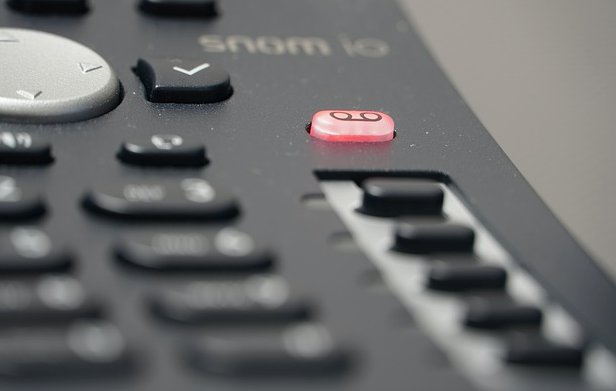
Analog phone service for fax machines, alarm panels and elevator phones
This is where most “landline” questions really come from. Some equipment was built to plug into a standard analog phone line and has never been replaced. Common examples include:
- Fax machines. Many medical, legal and construction offices still send and receive faxes every day.
- Alarm and fire panels. Older security and fire alarm panels may use a phone line to report to a monitoring center.
- Elevator emergency phones. Buildings with elevators usually have an emergency phone in the cab that needs a working line.
- Gate and door entry boxes, and card terminals. Some older units still dial out over a phone line.
Before you change anything, make an inventory of every device that uses a phone line and what number it uses. Then decide on a plan for each one. There are usually a few practical options:
- Replace the device or the way it connects. Many alarm companies offer cellular or internet communicators for their panels. A modern multifunction printer or an online fax service may replace an old fax machine.
- Keep a dedicated line for that device. For life-safety equipment such as fire panels and elevator phones, your alarm company, elevator service company or building management may have specific requirements. Check with them, and with local code requirements, before you change those lines.
- Retire what you no longer use. It’s common to find a line on the bill for a fax machine that was unplugged years ago.
The key is to plan these devices separately from your everyday business calls. Moving your voice lines to hosted service doesn’t mean every device has to move at the same time. In Las Vegas and Denver, we can visit your office to walk through what is plugged in and help you sort out which lines your team actually needs.
Is affordable landline service still the cheaper option?
Often it isn’t. A traditional business landline is priced per line, and features like voicemail, call forwarding, hunt groups and long distance can add to the bill. With hosted service, each user gets a line with those features built in.
Phone Service USA plans start at $14.99 per user per month, with unlimited long distance in the US and Canada. Service is month to month with no contract. Yealink desk phones are free with no minimum, and after three years of service the phones are yours to keep. If you’re comparing costs, gather a few recent bills and count how many lines you’re paying for versus how many people actually take calls. Many businesses find they’re paying for lines they no longer use.
What you gain by moving off copper
Switching your business landline to VoIP phone service keeps the familiar parts and adds options a copper line can’t offer:
- Calls that follow you. The smartphone app lets your business number ring on your cell, and when you call back, customers see your business number.
- Business hours and after-hours routing. Calls can ring the front desk during the day and go to voicemail or another phone after you close.
- Texting from your business number. Landline texting is $25 a month, works from the app or website, and lets the whole team see and answer texts.
- Easy moves and additions. Adding a person or moving to a new office means plugging in a phone, not waiting for a new line to be installed.
One practical point: hosted phones rely on your internet connection and power at the office. It’s worth confirming your connection is solid and deciding how you want calls handled if the office loses power, such as forwarding to cell phones through the app.
A simple plan for replacing your landline
- List every number on your current phone bill and what each one is used for.
- Identify devices that need a phone line, such as fax machines, alarm panels and elevator phones, and contact the companies that service them.
- Decide which numbers to port and which to retire.
- Choose your phones and how calls should ring during and after business hours.
- Start the port and keep your old service active until it completes.
Whether you’re a single office or have staff in more than one city, you can learn more about our business phone systems or see local service for Las Vegas and Denver.
Ready to replace your business landline without losing your number? Call our Las Vegas office at 702-505-4280 or our Denver office at 720-826-5700, Monday through Friday from 9 a.m. to 5 p.m., or contact us and we’ll help you plan the switch.